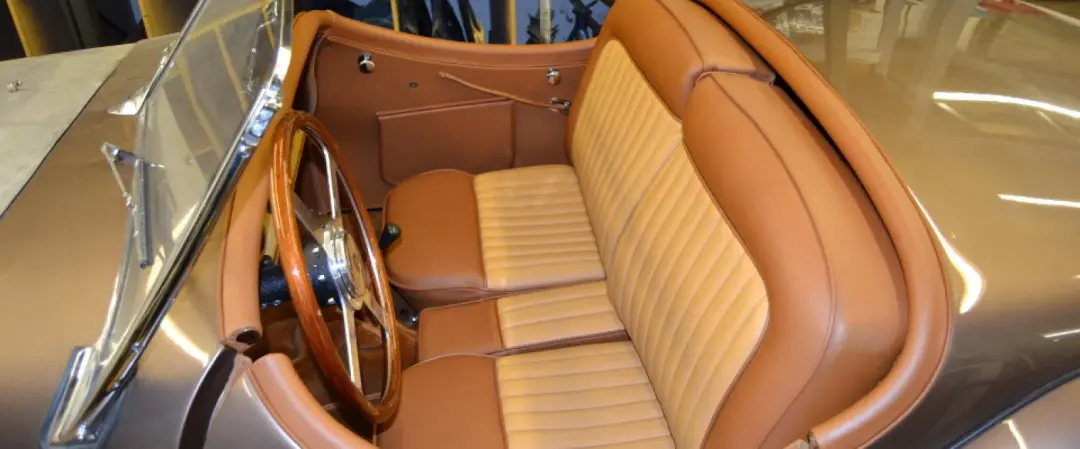
What is an Automotive Trimmer?
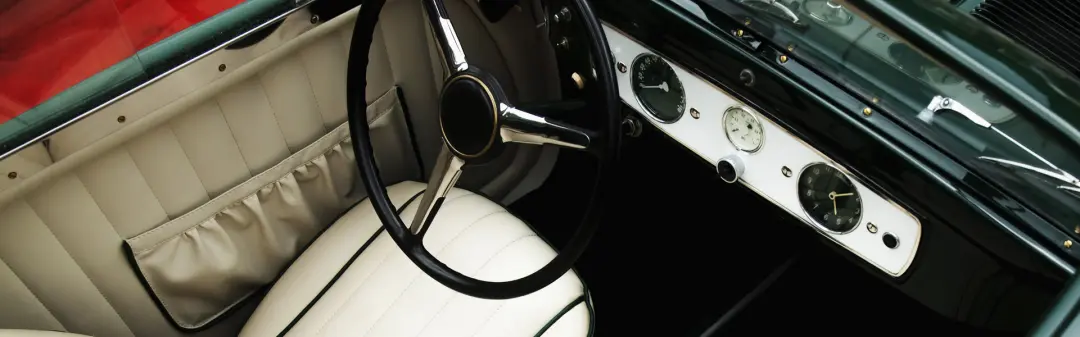
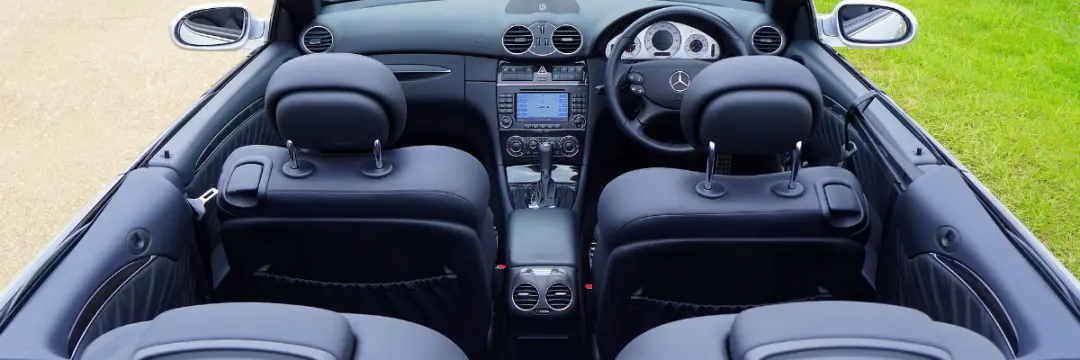
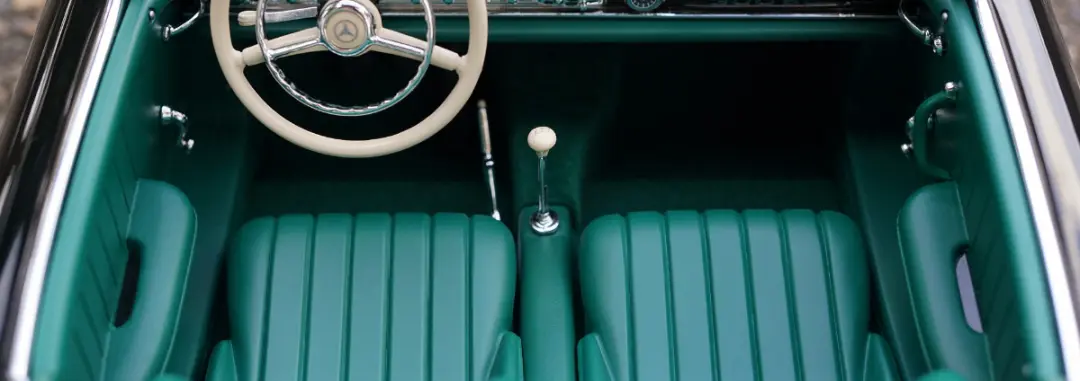
An automotive trimmer is a tradesman in the automotive industry whose expertise is to repair, modify and create the internal furnishings for a vehicle to make it personal and have the class desired by the customer. An automotive trimmer can also be known as an upholsterer or an automotive component trimmer.
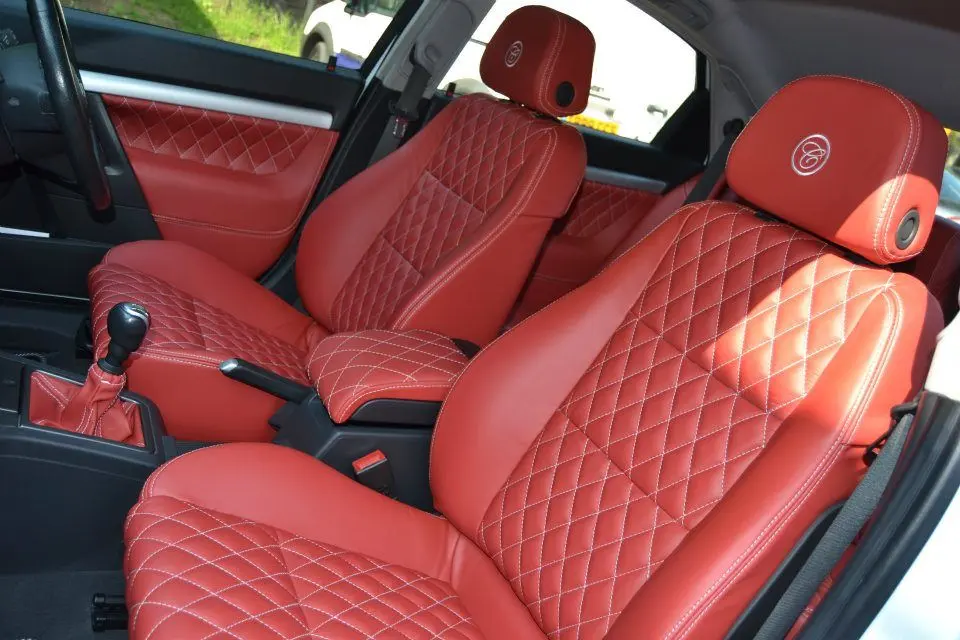
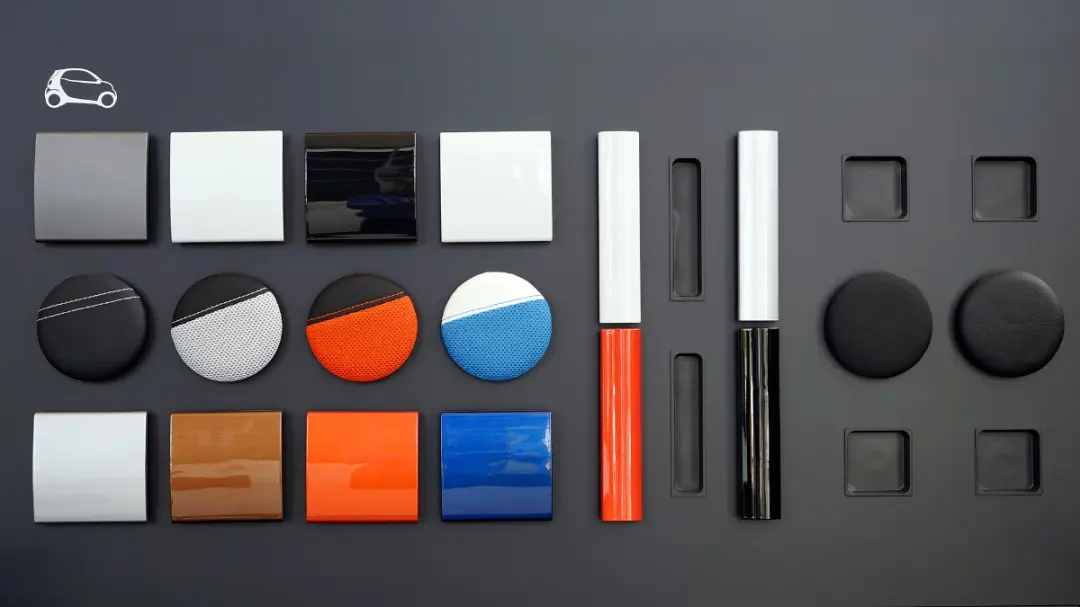
Customers will typically come with an idea of colour schemes, materials and add-ons that they want to be applied to the vehicle.
The process can be seen on the show 'pimp my ride'. An automotive trimmer, who is also known as vehicle trimmers, can do jobs on classic, prestige, modern, custom, vintage and many other types of vehicles.
The car trimmers job will be to either replace the interior of the cars or repair the linings that have sustained damage. To replace the interior, the upholstery on the seats will be updated with new materials and lining, new carpet will be fitted, and the roof and doors will also be lined with the new materials.
What Is THe Role of An Automotive Trimmer?
An automotive trimmer's job involves a wide variety of things, starting with listening to the customer's preferences, reading patterns and sketches, search for and choose the right amount of material and then ordering the materials that fit the correct measurements.
The automotive trimmer will then have to remove handles, seats and anything else that will get in the way once they begin to trim. Finally, sewing materials together, fastening them in place, then finishing with trims and edging.
This process will require the automotive trimmer to use a range of tools, for example, scissors, needles, industrial sewing machines etc. It is important that the upholsterer checks the seats are fitted correctly after the job is done.
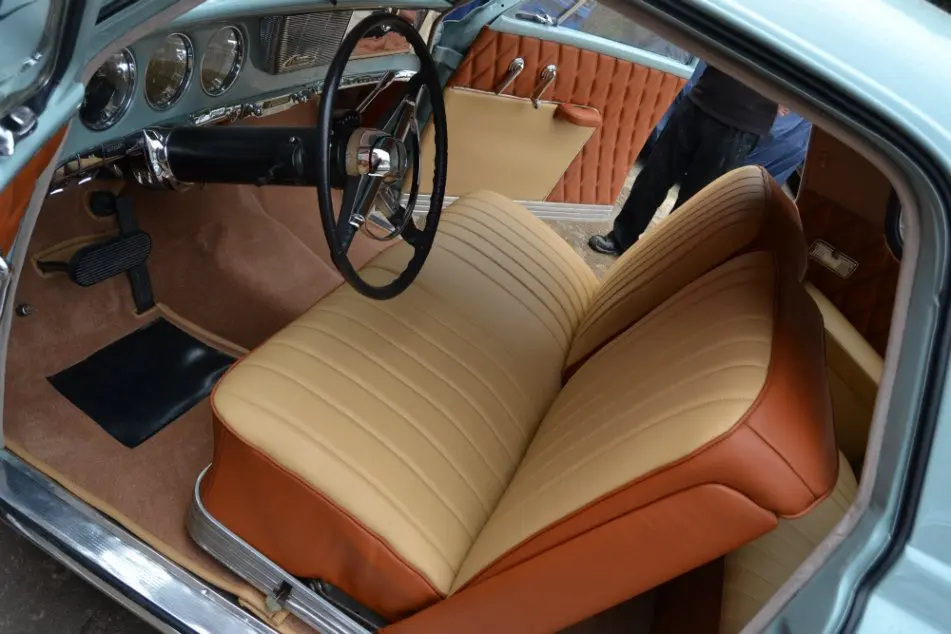
An automotive trimmer may work for a manufacturer, a small company or independently, although to work independently, the person will need to have the required set of skills and years of previous experience.
Starting a career as a vehicle trimmer will only require basic education of maths and English at GCSE level. Some companies may prefer a qualification in the subject, but most of the time, a typical career will begin at an apprenticeship level, and training will be given at the workplace.
Duties & Tasks of a Vehicle Trimmer
An automotive trimmer's job involves a wide variety of things, starting with listening to the customer's preferences, reading patterns and sketches, search for and choose the right amount of material and then ordering the materials that fit the correct measurements.
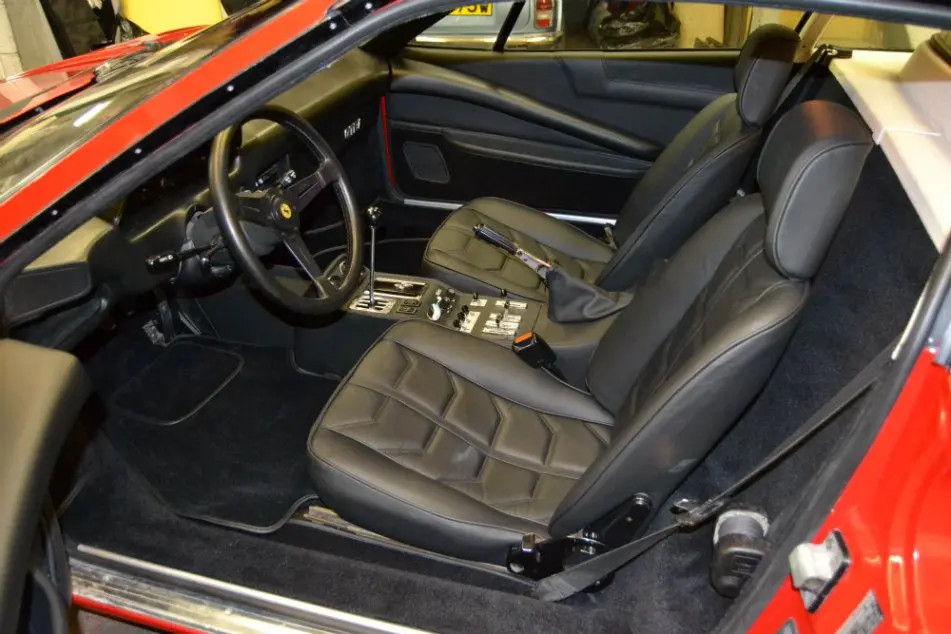
The automotive trimmer will then have to remove handles, seats and anything else that will get in the way once they begin to trim. Finally, sewing materials together, fastening them in place, then finishing with trims and edging.
This process will require the automotive trimmer to use a range of tools, for example, scissors, needles, industrial sewing machines etc. It is important that the upholsterer checks the seats are fitted correctly after the job is done.
An automotive trimmer may work for a manufacturer, a small company or independently, although to work independently, the person will need to have the required set of skills and years of previous experience.
Starting a career as a vehicle trimmer will only require basic education of maths and English at GCSE level. Some companies may prefer a qualification in the subject, but most of the time, a typical career will begin at an apprenticeship level, and training will be given at the workplace.
Repair, retrim or restore: what is the difference?
An auto trimmer can repair a damaged section, replace a seat cover, or retrim several parts of an interior to a coordinated design. A repair aims to retain as much sound material as possible. A retrim changes the covering, while a restoration may also involve returning stitching, piping and panel shapes to the original specification.
The cover is only one layer of a seat. Collapsed foam, broken support straps or damaged springs can make a freshly covered seat uncomfortable. Ask the trimmer to inspect these parts before choosing fabric, so the quote addresses support as well as appearance.
How a trimming project is planned
Begin with photographs of the whole interior and close-ups of wear. Include the vehicle make, model and year, and explain whether you want to preserve its original look or create a different finish. The trimmer can then identify the panels involved, check material availability and decide whether the seats need a closer inspection.
Before cutting starts, agree the material sample, colour, grain, stitching and piping. A useful written scope separates seat covers, foam repairs, carpets, door panels and headlining. It should also explain which fittings are being reused and what happens if hidden damage appears when the old covers come off.
Choosing materials for the way you use the vehicle
A daily driver needs a different balance of durability and appearance from a lightly used show car. Compare samples for thickness, stretch, ease of cleaning and suitability for automotive use. Leather, vinyl and woven cloth each require their own fitting and care methods; a material that looks attractive on a small swatch still needs to suit the seat shape.
On a modern car, identify seat-mounted airbags, heating elements and occupancy sensors before agreeing any trimming work. Cover construction must follow the requirements for that vehicle. Ford explains why unsuitable seat covers can obstruct side airbags.
Why traditional trimming skills still matter
The FBHVC 2025 National Historic Vehicle Survey reports 34,500 jobs across 2,700 specialist historic-vehicle businesses. These figures cover the wider sector, rather than auto trimmers alone.
For an owner, the practical point is to choose a trimmer with experience of the materials and construction in the vehicle being worked on. Ask to see comparable work and discuss how original trim details will be recorded before anything is removed.
If you would like to follow up on any of our services, or if you would like to contact us, then please, follow one of the links below: