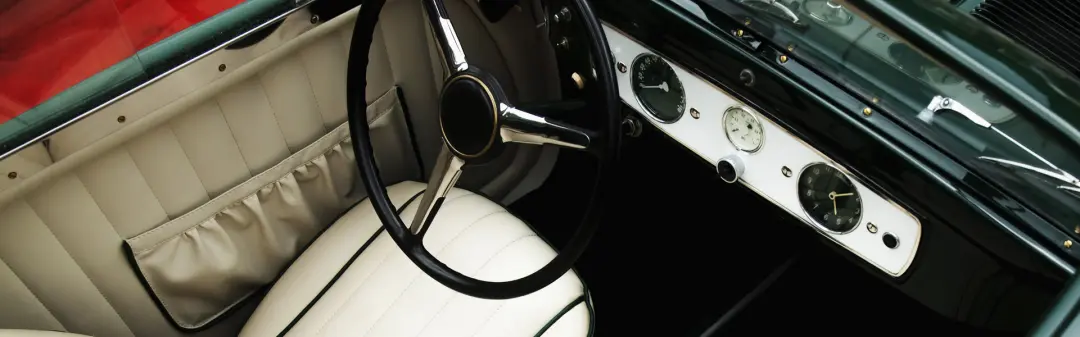
Wondering how do you repair torn car upholstery? Discover expert techniques for fixing tears, colour matching, and ensuring a professional finish in your vehicle.
Method for repairing Car Upholstery
When repairing car upholstery, the first thing to check off your list would be to assess the damage to decide if the repair work needs to be done by a professional or if you can do it from home.
It is important to note that to repair car upholstery yourself will never meet the standards of a professional and will most likely not look completely new.
If there are tears or holes in leather the best advice would be to take it to an upholstery shop as for this kind of damage you won't be able to fix at home, also if you need to remove seatbelts don't do this yourself, your safety comes first, and you will want a professional to fit these back to the way they were before.
For a cloth tear, first identify whether the seam has opened or the fabric itself has split. A trimmer can assess whether restitching is appropriate or a replacement panel is needed. Do not sew through an airbag seam or use a generic thread without checking the seat construction.
For a cigarette burn or small hole, the surrounding material and filling need assessment. A surface repair may be possible, but replacing a damaged panel can give a more consistent result. Avoid cutting usable material from another part of the seat without a repair plan.
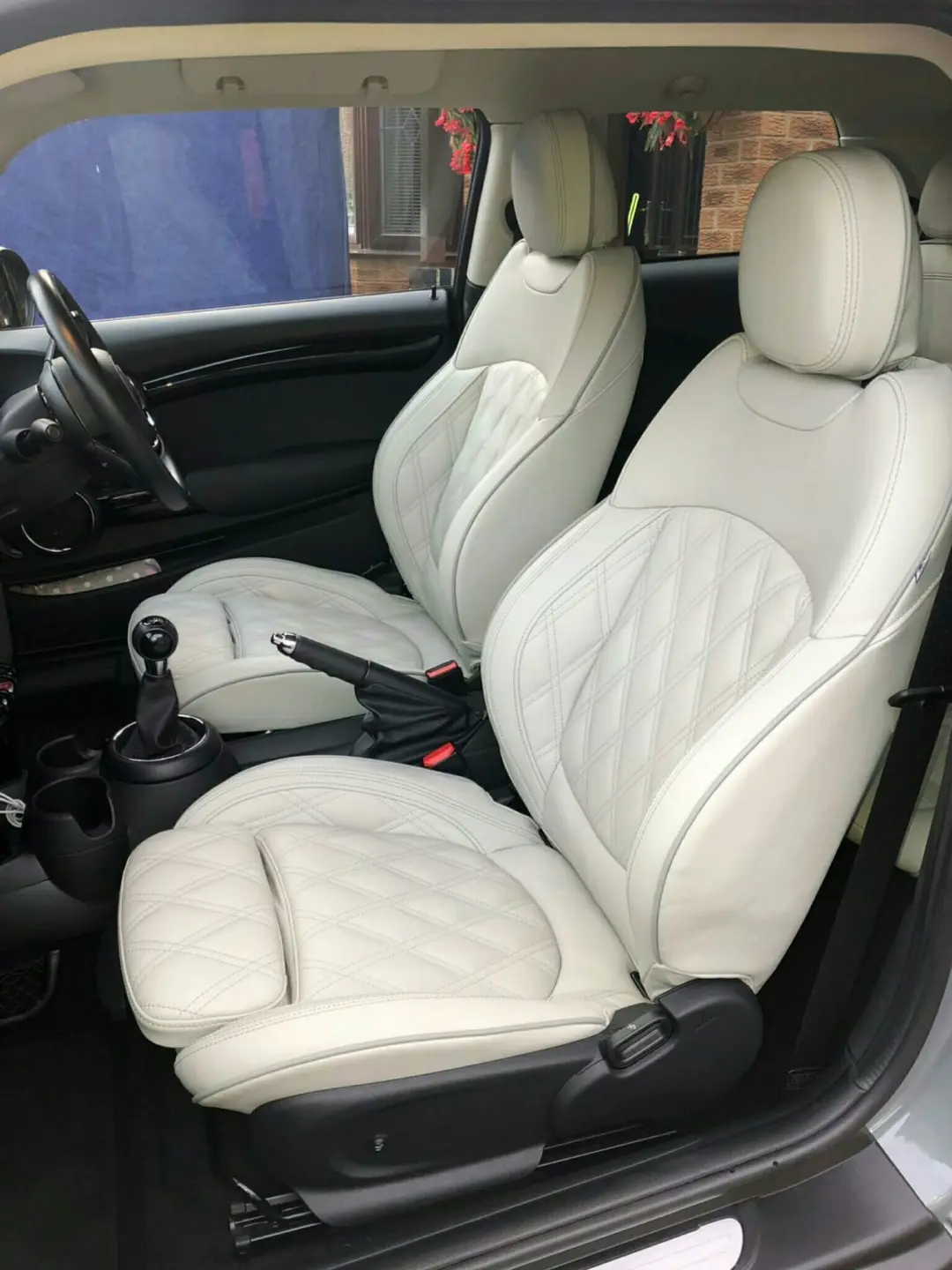
Scuffed leather may need a surface colour repair rather than conditioner alone. Torn or missing material needs a different method. Use an automotive leather repair system suited to the finish; do not substitute a general-purpose spray lacquer.
Rips That Are Not on a Seam
A repairer should check the size of the opening and the strength of the surrounding material before choosing a backing or replacement panel. Do not push a screwdriver under the cover to test the space, as this can enlarge the damage.
First, select a patch material that best matches the colour of the previous car upholstery; this material must be heavy-duty and durable. Next, tuck this piece of fabric into the hole and try to align the pattern with the stress on the seat.
Now apply the adhesive glue on the surface of the extra fabric you have tucked underneath and make sure each side of the rip are touching each other; place a heavy weight on top and clamp together the material, make sure the pressure is not widening the gap. Professional upholsterers will normally use a special water-based adhesive that sets quickly.
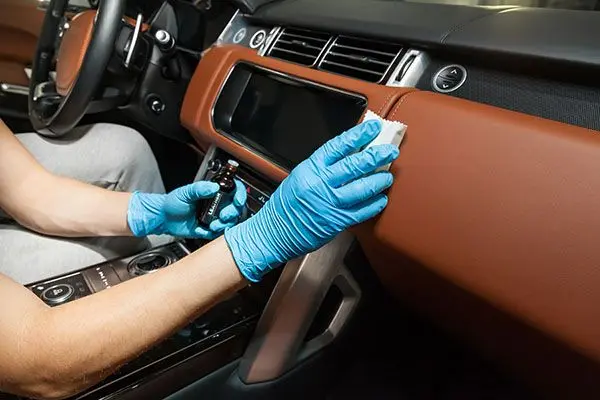
Where a compatible filler is appropriate, use thin layers and follow that product's drying and curing instructions. A universal twenty-minute wait or a fixed number of coats is not suitable for every system.
To speed up this process, try using a hairdryer to heat the area. Repeat this process 5-6 times, ensuring that each layer is completely dry before you apply the next; when adding the topcoat, fill the hole completely so that it is even with the leather or vinyl on the rest of the car seat.
Once there is no longer a ridge, when you run your finger along the area, wipe it down with alcohol cleaner to prepare for painting. Using the colouring repair kit, apply the paint with the tools provided and allow it to dry.
Rips That Border a Seam
A tear beside a seam may require a replacement panel. Before attempting a repair, establish whether it is a normal upholstery seam or one designed to open for a seat-mounted airbag. Leave airbag seams and associated components to the appropriate specialist.
Use only the cleaner or preparation product specified by the leather repair system. General rubbing alcohol can affect some finishes; it is not interchangeable with every specialist preparation product.
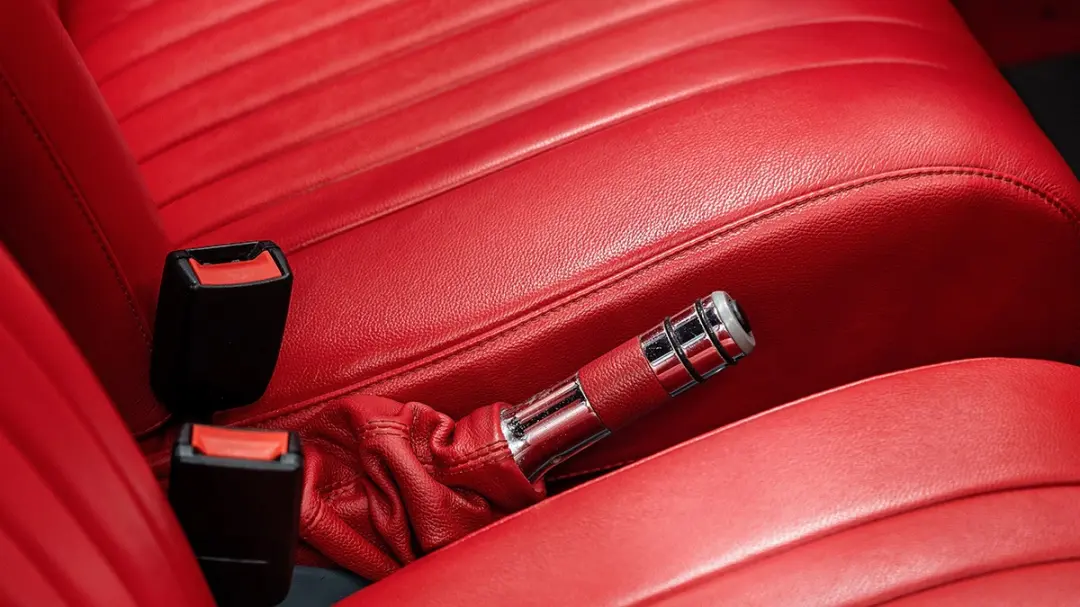
If an adhesive repair is suitable, follow its specified method for holding the backing in place. Excess pressure or an improvised clamping arrangement can distort the cover.
For an exact match, consult an automotive upholstery repairer. The vehicle's exterior paint code does not identify the seat colour, and faded upholstery may need a sample-based match.
Deciding between a small repair and a replacement panel
Check whether the damage is confined to the surface finish, passes through the material, or extends into the foam. A worn colour coating is different from a structural tear. If the surrounding leather is brittle or the fabric is fraying widely, a small patch may leave weak edges that split again.
A replacement panel can be a better option when a tear reaches a seam or material is missing. COLOURLOCK's repair guide recommends retrimming for several examples of extensive damage and damage close to a seam. The final choice depends on an inspection, not the length of the tear alone.
Colour matching and the limits of a repair kit
Matching a repair involves colour, grain, sheen and texture. A vehicle paint code identifies the exterior paint and is not a reliable way to match an aged seat. Give the repairer the interior trim code if available, together with a sample or photographs taken in daylight.
An automotive leather repair system may use a compatible cleaner, backing, flexible filler and colour coating. These products have different jobs. Conditioner does not close a tear, and a surface colour treatment will not replace missing material or restore worn seat foam. Follow the specific product instructions rather than a universal drying time.
Seat seams and fittings that need specialist attention
Do not stitch or glue across a seam intended to open for a seat-mounted airbag. Seat belts, pretensioners, sensors and wiring also need the correct vehicle-specific handling. Ford's side-airbag guidance warns that unsuitable covers can interfere with deployment.
If the damage is close to these components, arrange an assessment before removing the seat or altering its cover. Tell the repairer about any airbag warning light and ask how the original cover construction and fittings will be preserved.
Why older seats deserve an early inspection
In its April 2026 release of 2025 Motorparc data, SMMT reported that 45.7% of cars on UK roads were over ten years old. This is fleet-age data, not a measure of upholstery failures.
A small split on an older seat is a reason to check neighbouring seams and the cushion beneath it. Avoid pulling at loose edges, keep sharp objects away from the damaged area and book an inspection before repeated use enlarges the opening.
Vehicle Upholstery Specialists Worthing provide classic car interior restoration for Worthing, Shoreham-by-Sea, Brighton and the surrounding areas. If you would like to follow up on any of our services, or if you would like to contact us, then please, follow one of the links below: