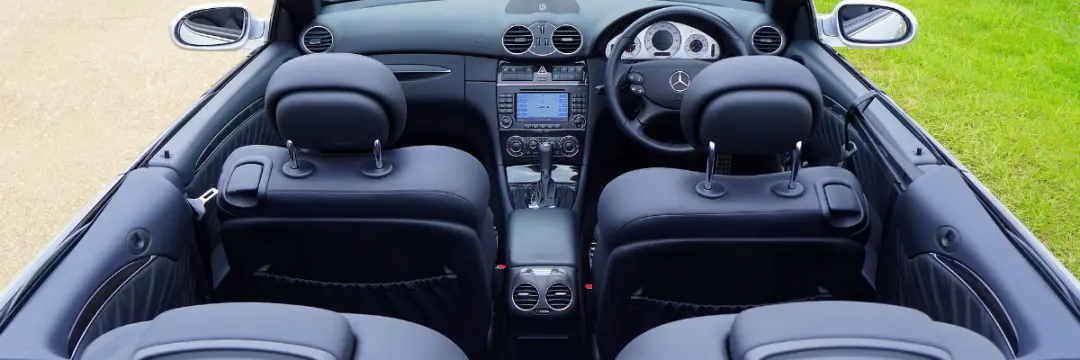
Understanding Automotive Leather
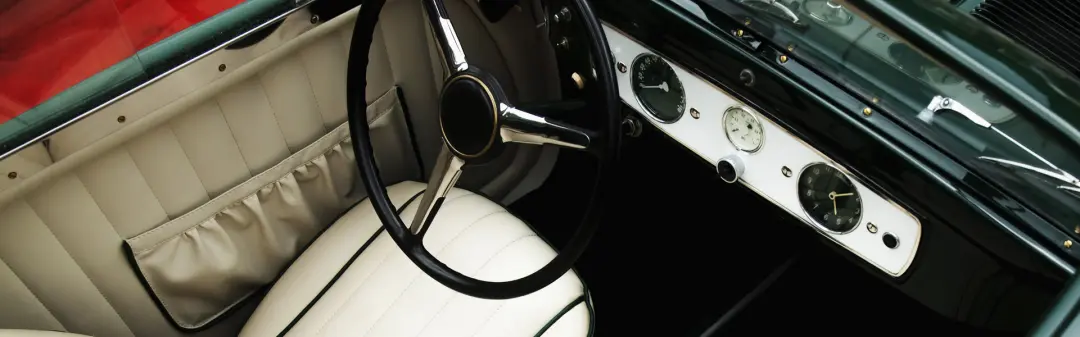
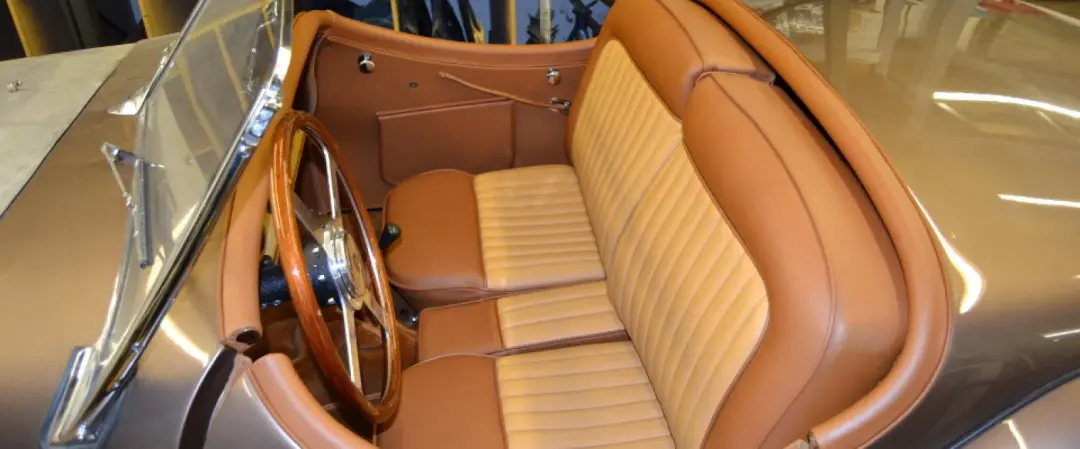
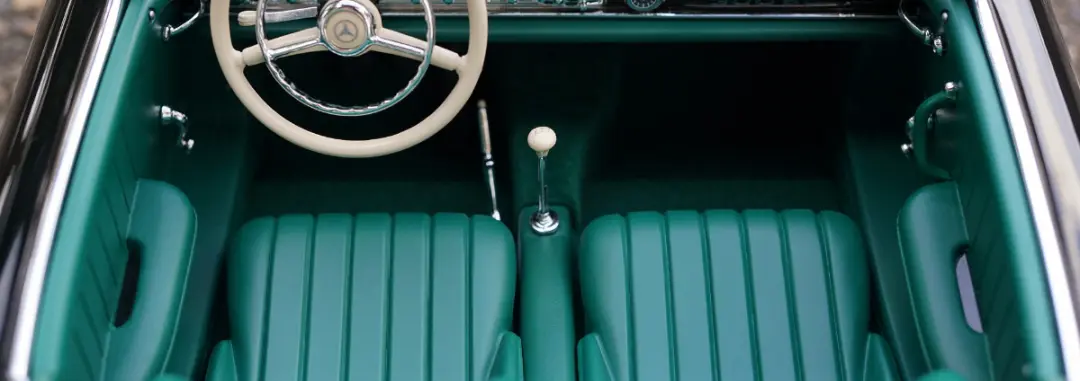
One of the most prevalent types of leather that many manufacturers worldwide use when creating modern cars is pigmented leather. .
Pigmented leather is pure animal hide, and to achieve the colour and texture desired by the designer, it is washed thoroughly, tanned and dyed.
Automotive leather is processed from animal hide and finished for its intended use. Identify the seat material and its surface finish before selecting a cleaning or care product.
Chrome tanning is an overall process used predominantly for automotive leather. It refers to the chromium sulphate utilised across the entire dyeing process
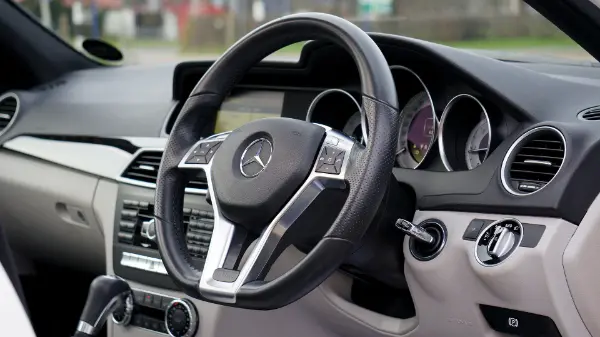
Tanning is a relatively complicated technique involving a lime bath that allows for any hair and water to be removed from the hide in the car manufacture industry.
Professionals will then rehydrate the leather, immersing it fully into the chrome acid bath. The process curates results that give the leather hide a blue hue, and this implies the material is ready for dyeing and almost finished.
How to Clean Leather Car Seats
Leather car seats add comfort and style to your vehicle, but everyday dirt, spills, and body oils can leave them looking worn. With the right cleaning products and a gentle approach, you can remove grime without damaging the leather’s finish. This guide walks you through how to clean leather car seats, tackle common stains, and keep your interior looking its best.
What do I need when cleaning leather car seats?
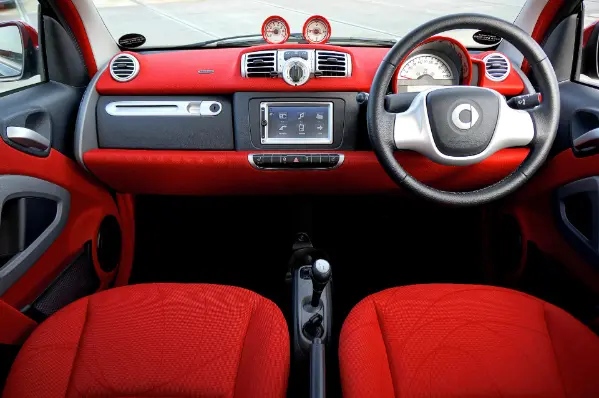
Ensuring clean your leather car seats on the inside of your car may not be at the top of your to-do list. However, it is good to keep up the maintain to enhance the car's interior and the outside appearance.
It will also allow you to preserve the quality leather for much longer, and therefore, there will be less need to replace it over time.
When cleaning the outside of your car, all needed is a hose, sponge, or a bucket of soapy water. The car interior can sometimes seem like a much greater task and more challenging job overall.
Equipment Required
You'll be happy to know that you don't require a large amount of equipment when it comes to cleaning your car seat leather. Many of the tools necessary for cleaning the inside of your car are:
Gently use a clean set of dry microfibre cloths, ensure these aren't of rough or ragged material. They must be soft so that they don't obstruct the fabric of the commercial leather or its protective coating.
A vacuum cleaner and an optional air compressor.
Spray bottles of water and any suitable related articles or cleaning products that won't damage the leather.
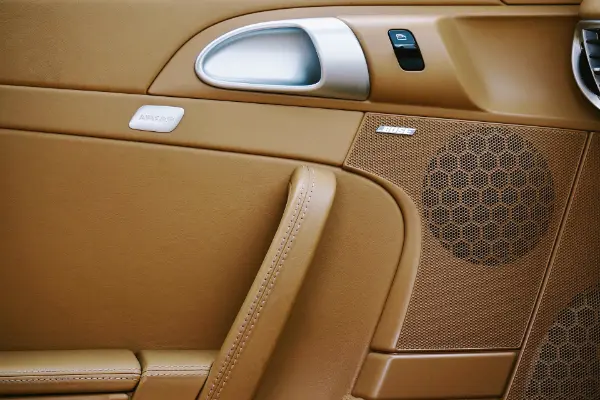
And finally, everything will be fine as long as you use a brush with delicate bristles, or for smaller, hard to reach areas get a spare toothbrush with soft bristles.
Many of these things may potentially be lying around your home. However, if not, you can acquire many of these at any DIY or local automotive shop. You can even search online at Amazon or on eBay; you may get next day delivery.
What products can I use to clean leather car seats?
Shop Bought Leather Cleaners
For those that prefer to keep manufactured cleaning and conditioning products in their household, you want to ensure all of them have formulas equipped for car leather seat cleaning.
Avoid any generic products or multi-surface washes or light soaps, and it must be specific to car leather for it to be most effective.
These products may cause your leather material to dry up and begin to tear or create holes over time. Be wary of waxes, oil products and silicone as greasy effects could be harmful to the fabric.
You're going to want to look for a wash that isn't oily or too harsh on the leather but is still strong enough to enhance the look of the fabric, taking away any discolouration and lifts gunk and grime from the dirty surfaces.
Leather wipes are also handy to keep with you or inside your car. They allow you to have some TLC and frequent upkeep on your interior maintenance.
It is a good idea to invest in a car seat water-based conditioner that has a neutral pH.
Choose a treatment intended for the specific automotive upholstery and follow its instructions. A natural-looking finish is preferable to a greasy surface.
Do not substitute laundry detergent or dish soap for a compatible leather cleaner. Select a product tested for the seat material and use the amount specified on its label.
Apply the cleaner to a cloth as directed, test a hidden area first and avoid saturating the seat.
Avoid household vinegar mixtures on automotive leather. Their concentration and compatibility with the surface finish are not established by the seat manufacturer.
Use a cleaner intended for the upholstery instead of trying to hide or reduce the smell of a household remedy.
Do not use coconut oil or olive oil as a substitute for an automotive leather-care product. Follow the material supplier's care guidance.
After thoroughly cleaning your interior, coconut or olive oil can substitute for gentle leather conditioners. Use it in small quantities and use a dry soft cloth that won't obstruct the leather material in any way.
For any approved product, test a discreet area and let it dry before treating the rest of the seat.
Avoid abrasive powders on leather seat finishes. A stain that survives gentle cleaning should be assessed before a more aggressive treatment is attempted.
Do not rub a powder paste into the leather. Remove loose dirt gently and use the cleaner recommended for that surface.
If the surface is scuffed, cracked or losing colour, cleaning alone will not repair it. Ask a specialist to identify the damage.
Do's and Don'ts of Leather Car Seat Cleaning
Here is a list of handy tips detailing the DO's and DON'T's and everything you need to know when it comes to leather car seat cleaning.
Ensure you do a spot-test on any leather cleaner you buy. Try them on hidden areas to see if the product is suitable for the leather.
Vacuum thoroughly before applying any cleaning products; this will prevent and get rid of any loose surface dirt, grime, or sand from scratching and obstructing the fabric on your seats.
Work slowly and clean in small sections; this will allow you to minimise discolouration.
Use microfibre cloths, towels and flannels; they are far softer. They won't scratch and ruin your material surfaces.
Search for a cleaning product or conditioner that has natural ingredients and is non-toxic.
Mix your vinegar solution with warm water to not be too harsh when applying it to your seats.
Clean your car's leather seats and interior as regularly as possible and ensure that you condition them occasionally. You can condition two or three times a year and provide you with clean seats once a month.
Ensure you never spray the cleaner directly onto your leather seats, especially in the case of cars with perforated leather.
Dampen all your microfibre cloths with your chosen cleaning solution.
Never use conditioners that include waxes or petroleum; they can lead to build-up or grease and grime or dull the leather's finish.
Don't let any wet solutions dry on the seats without wiping them dry. Massage them carefully with your flannel or cleaning cloth until fully absorbed.
Ask the original owner or your dealer if you struggle with which products would be most suitable to keep your car seats clean.
Don't use any without consultation if you are genuinely unsure.
Never use stiff bristles when deep cleaning the leather, and make sure you never scrub too hard. Choose softer car-made cleaning brushes or a soft-bristled toothbrush for smaller surface dirt areas.
You don't want to budget too much when searching for a high-quality natural car cleaner. Whilst they are more expensive, they'll enhance and bring out the beauty of your clean car leather.
Too much liquid can ultimately damage the seat fabric, mainly if you have acquired a car with perforated leather seating, which could soak through and create mould or breed mildew.
Identify the surface before choosing a cleaner
Check the handbook or material specification before treating the seats. A vehicle can combine coated leather, synthetic upholstery and other fabrics in the same interior. A cleaner intended for sealed automotive leather may be unsuitable for suede, unsealed leather or a highly porous surface.
Test the chosen product on a discreet area and allow it to dry before treating a larger panel. Stop if colour transfers unexpectedly, the finish becomes tacky or the surface changes appearance. Keep separate clean cloths for the seats and for dirty trim or wheel-cleaning work.
A controlled cleaning method for leather seats
Remove loose grit first, paying attention to seams without scraping the nozzle across the leather. Work on one panel at a time using a small amount of a compatible cleaner on the cloth. Wipe gently, remove residue as instructed and let the seat dry naturally.
For example, Autoglym's Leather Cleaner instructions specify applying it sparingly to a microfibre cloth and wiping off the cleaner and dirt after two minutes. That timing belongs to this product: use the directions on the cleaner you actually choose.
Perforated, heated and ventilated seats
Perforations make excess liquid harder to remove. Apply products sparingly and avoid flooding holes, seams or switches. Autoglym also advises using its cleaner sparingly on perforated leather. A barely damp cloth is easier to control than spraying liquid directly over the cushion.
Let the interior dry before using it. Seat heating is not a substitute for the cleaner's drying instructions. If an old spill has soaked into the foam, surface cleaning may not remove the underlying smell; a trimmer may need to assess the cushion.
Cleaning, protection and repair are separate jobs
Cleaning removes soil; a suitable care product is a separate treatment. Neither replaces missing colour, repairs a split seam or rebuilds cracked material. If a mark remains after gentle cleaning, identify whether it is staining, abrasion or damage to the finish before trying a stronger product.
Use only treatments approved for the particular upholstery. Household oil, vinegar mixtures and abrasive powders are not interchangeable with a tested automotive leather-care system. Regular removal of grit and prompt attention to spills are more useful than repeatedly applying an incompatible product.
A current perspective on caring for older interiors
SMMT's 2025 Motorparc figures, published in April 2026, put the average age of a UK car at 9.7 years. The figure describes the fleet, not the lifespan of a leather seat.
When an interior has years of wear, inspect its surface before cleaning. Loose stitching, thin bolsters and areas where colour has worn away need different attention from ordinary dirt. A careful assessment helps avoid treating a repair problem as a cleaning problem.
Vehicle Upholstery Specialists Worthing provide classic car interior restoration for Worthing, Shoreham-by-Sea, Brighton and the surrounding areas. If you would like to follow up on any of our services, or if you would like to contact us, then please, follow one of the links below: