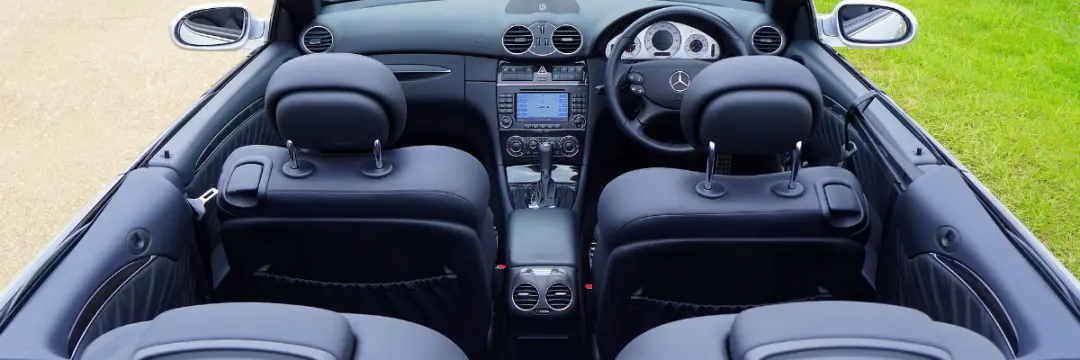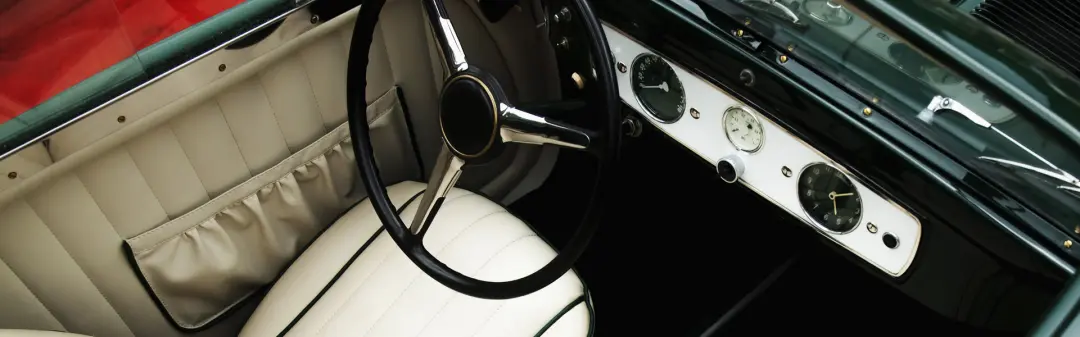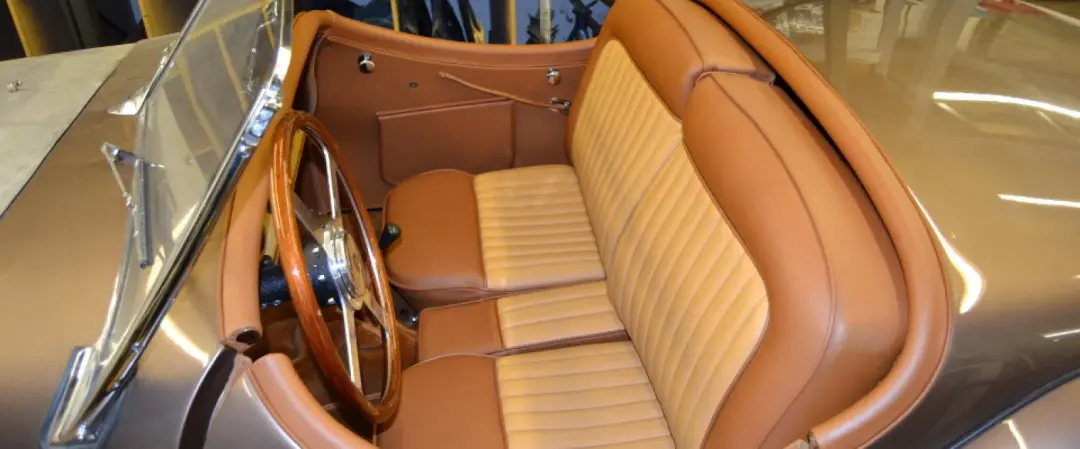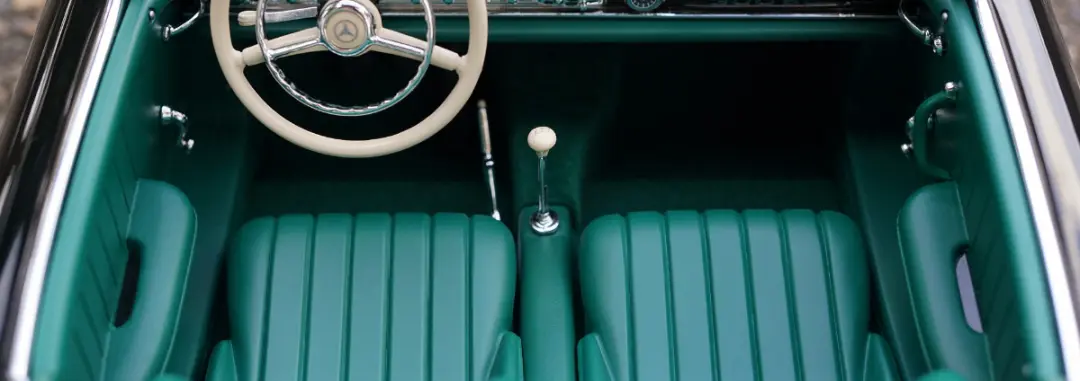
Can you get classic car seats recovered? Yes, professional upholstery services restore your vintage car seats with custom designs, enhancing aesthetics and comfort.
Classic car upholstery replacement
Given the advanced age of many classic cars, a natural part of owning one is replacing the upholstery. The natural fibres used when upholstering cars in the past means that they often come with that "old car smell", and replacing this worn out and musty interior can often rejuvenate them completely.
Additionally, these natural materials will most likely have broken down over time through general wear and tear, meaning that some repairs and upholstery replacements are vital, especially if the frames or seat springs are worn.
Damage to any area of a car requires repairs, even your classic car interior.
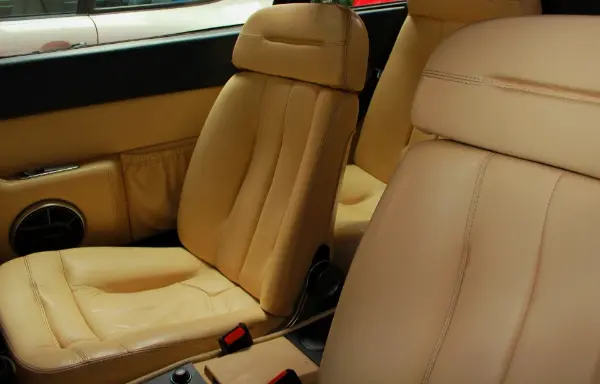
Can you get car seats reupholstered?
Upholstering a classic car's front and rear interiors is an intricate process, requiring professional knowledge and expertise to complete the work properly. In most cases, this involves removing the seats entirely from the car to reach all the places you need to reach.
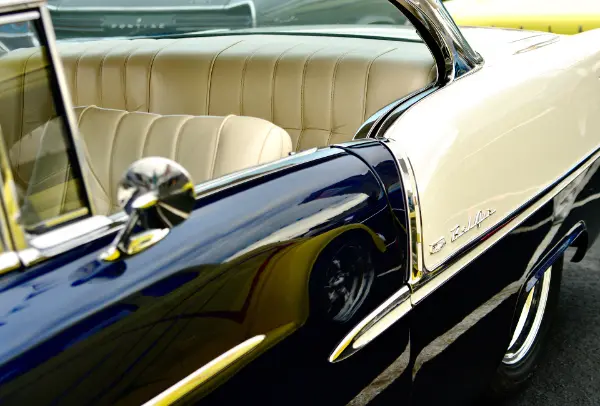
Essentially, in a simplified example, the process of seat re-upholstery in a classic car involves removing the old seat material and replacing it with whatever new material you choose.
Where necessary, the professional car upholsterer will replace or top up the batting or foam already in the seats and repair or replace the seat springs.
Expert classic car services can create custom seat coverings and make upholstery to order that fits any unique seat shape or design. This means that any model or make of classic car can be catered for and create a personal and unique look.
How much does it cost to reupholster a classic car?
One of these factors includes the amount and quality of the material you choose. For example, real leather car seats will cost much more than fake leather, cloth, fabric or vinyl. Other factors include the person providing the upholstery services and how much labour is required to carry out the work.
However, there are many classic car upholstery specialists, such as ourselves.
Whose services are very affordable and suit any budget.
Any classic car restoration company worth it's salt should be able to provide a first-rate service for all its customers.

Restoring the upholstery of a classic car
One of the main things that attract people to classic cars in the first place is their aesthetics. Classic manufacturers, such as Mercedes and Ferrari, have reliably produced some of the most beautiful cars, so it is little surprise that people have fallen in love with them.
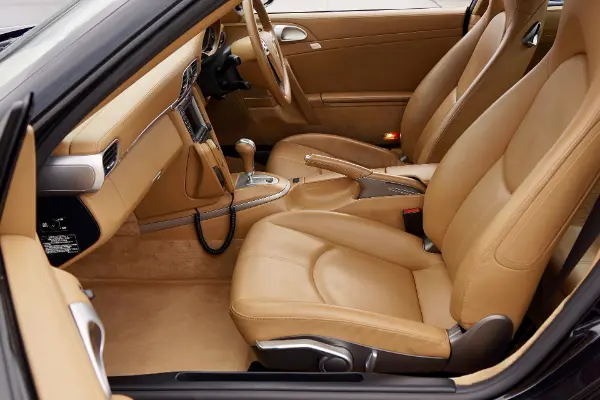
The fact that these decades-old cars are still popular today is a testament to their timeless looks.
The secret to this timelessness lies in the minute details of each one.
Therefore, whenever you are restoring a classic car, the interior upholstery is just as crucial to the aesthetics as the exterior.
Upholstery is one of the biggest investments you can make in vehicles.
If you want to bring your classic car back to its original condition, this can often be the most significant investment of them all, alongside the outside appearance of the car.
Why should you think about restoring your classic car's upholstery?
To properly restore your classic car to its former glory, you can't just focus on the exterior. Renovating any vehicle is a significant undertaking and requires a large investment on your part. This is especially true for classic car renovations. Therefore, there is no reason why you should ignore half of what makes the car so attractive and forget the interior upholstery.
Ensuring the car interior of your looks the part is essential to bring it back to life. A properly upholstered interior will help to do this, ensuring that your vehicle is as enjoyable to drive as ever.
Of course, given the significance of the investment needed to restore classic cars, properly renovated ones are worth much more than those that aren't - this includes the state of the upholstery.
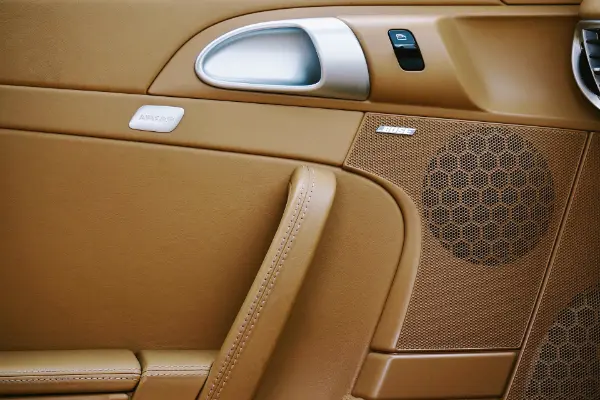
While you may have purchased your classic car as a DIY project, upholstery is often best left to the professionals, given the complexity of the process.
It takes a level of skill and experience to upholster a car correctly, and if you want your classic car to look its best, you should seek out and contact a professional service.
Estimate the amount of work
As with any restoration project, the first step is to work out exactly what needs doing. Before any work begins, assessing the state of the current upholstery allows you to know exactly what work needs to be done and can give you a rough estimate of the cost to carry it out.
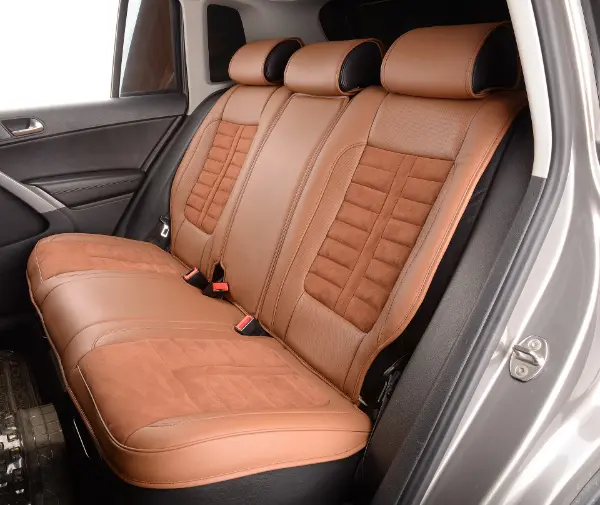
Naturally, if your classic car hasn't been cared for properly, its upholstery will need more work. Additionally, there is no reason in making superficial alterations to the upholstery if the seats are unusable.
Therefore, assessing the condition of your classic car and its original seats is of utmost importance in the early stages.
While you could patch over a few holes, ensuring that your car's seats are in working order is the primary reason to have them reupholstered.
Again, your best choice when renovating the interior of your classic car is to rely on the expertise of professional restorers and classic car specialists.
They will know how to keep your car practically usable and aesthetically impressive.
Fix the seats
If you find that the seats of your classic car are broken or need to be repaired in the initial assessment, this will need to be done before the new upholstery is applied. This is crucial, given that cosmetic repairs will only reduce the car's value if you choose to sell it on.
Besides aesthetics, people love classic cars for the driving experience, which will be significantly compromised if the seats aren't in good condition.
Therefore, the next stage after the initial assessment is to check the seat frames for damage and repair them.
After this, the upholsterer will examine the springs and foam inside the seats to see what work is needed.
This is also essential, given that upholstery is not merely the process of putting fresh material on your car seats.
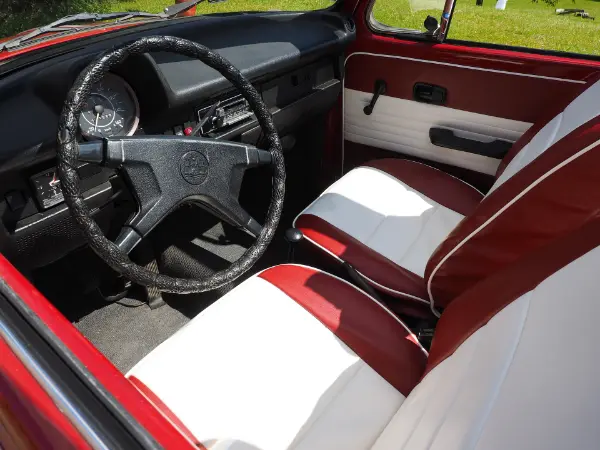
The quality of the materials underneath your seat covers is just as crucial as the covers themselves if you want your classic car to look its best.
It will also ensure your comfort when driving your classic car, so it is a consideration you should not overlook.
Upholstery repair and restoration
The aesthetic appeal of classic cars cannot be understated. The elegance and beauty of classic models and caring for them is a passion for many motor enthusiasts. While making surface-level classic car restorations is enough to make them look great again, restoring them to their original glory provides a satisfaction unsurpassed in automotive collecting.
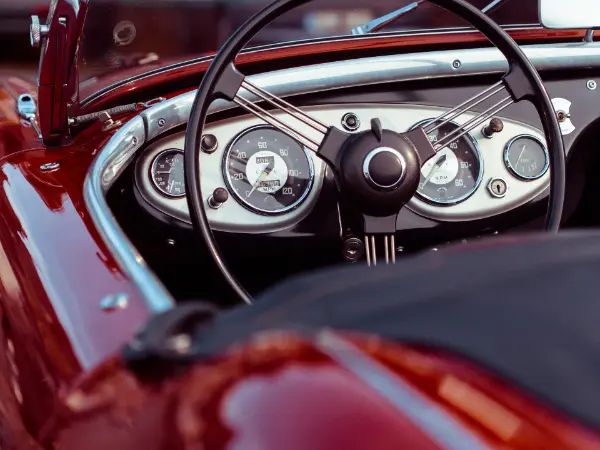
Enthusiasts will naturally want to aim for authenticity by selecting the best materials when restoring their classic cars.
When recreating the original aesthetic of the vehicle, they will need to choose materials that are true to the car's specifications and overall look.
But, while aesthetics are one part of the magic surrounding classic cars, the quality of the work carried out when restoring them is of equal importance.
This is another reason why relying on the expertise of professionals is the best option when restoring classic cars.
Again, the details are key in restoration work, and professional artisans using high-quality materials, such as leather seats, is the best way to ensure the overall look of your car is perfect. Professional restorers can ensure that the panels of material seamlessly match.
Preserving original trim while recovering classic seats
Photograph each seat before dismantling it, including the stitching, piping, pleats and attachments. Retain sound original material or a labelled sample where practical. These details help a trimmer reproduce a period appearance when replacement covers are needed.
If you want an original-style restoration, compare the proposed material with the correct specification for the model and year. If you prefer a modified interior, record that choice clearly. Either approach should be agreed before the old upholstery is used to make patterns.
Inspect the frame, springs and foam first
A seat cover cannot compensate for a damaged frame or tired support underneath. Ask for the seat structure, webbing or springs and cushion filling to be assessed before the new upholstery is fitted. The construction varies between vehicles, so replacement filling should suit the seat rather than simply adding extra bulk.
Check that the finished seat can still slide, fold and latch as intended. Seat runners, mounting points and belts are part of the wider inspection; damaged fittings need the appropriate repair rather than being hidden by new covers.
Recover one panel or both seats?
An isolated damaged panel may be replaceable without recovering the entire seat. Matching old and new materials can be difficult because sunlight and use change colour and texture. Ask to see a sample alongside the surviving upholstery before deciding how much to replace.
A full pair of front seats may provide a more consistent appearance, but it also removes more original material. For a well-preserved classic, a targeted repair can be worth discussing. Keep photographs and invoices so a future owner can understand what has been retained and changed.
Budget for restoration without assuming a resale return
The FBHVC 2025 National Historic Vehicle Survey records 1,934,178 historic vehicles on the DVLA database and average annual owner spending of £4,567 on maintaining and enjoying their vehicles. These are wider-sector figures, not an upholstery price guide.
Request an itemised quote covering material, seat preparation, internal repairs and fitting. The scope of work matters more than a single national average. A correct, comfortable interior can be valuable to its owner without guaranteeing that every pound spent will be recovered on sale.
Looking after seats in a lightly used classic
The same FBHVC survey reports average historic-vehicle use of 837 miles a year. Low mileage does not eliminate ageing: storage conditions and the condition of the existing material still matter.
Keep the interior dry, remove loose dirt gently and follow the care instructions for the replacement material. Check for leaks before storing the vehicle and avoid leaving damp covers against the seats. Promptly assess a loose seam or worn bolster rather than allowing it to become a larger repair.
Vehicle Upholstery Specialists Worthing provide classic car interior restoration for Worthing, Shoreham-by-Sea, Brighton and the surrounding areas. If you would like to follow up on any of our services, or if you would like to contact us, then please, follow one of the links below: