New upholstery can increase your car’s value, but the result depends on the vehicle, the quality of the work, and the condition of the rest of the interior. Buyers rarely judge a car by one thing alone. They look at the bodywork, mileage, service history, tyres, engine, seats, and the general feel of the car before deciding what it is worth.
A clean and well maintained interior can make your car feel newer, more comfortable, and easier to trust. This can help when selling, especially if the old upholstery is worn, stained, faded, or damaged. In many cases, new upholstery will not add more money than you spend on it, but it can protect the car’s resale value, improve buyer interest, and make it easier to sell at a good price.
Below is a detailed look at how upholstery can affect value, and how to decide what makes sense for your car.
How Worn Seats Can Lower Your Car’s Price
Worn seats can make a car look much older than it is. Even if the engine runs well and the bodywork is tidy, torn fabric or cracked leather can suggest years of heavy use. Buyers often link visible wear and tear with poor overall care, even when that is not always true.
Damage also gives buyers a reason to negotiate the price. A ripped seat or sagging cushion feels like a job they will need to pay for soon. Many buyers will lower their offer to cover the cost, and some may walk away if the interior looks too far gone.
Stains and fading can have a similar effect. Marks that will not clean away can make the cabin feel unclean, especially if the colour change is obvious. Sun damage is common, but buyers still see it as something they may need to fix.
Worn upholstery can also affect trust during viewings. When a buyer spots one clear problem, they may start looking harder for others. That extra doubt can reduce what they are willing to pay, even if the car is mechanically sound.
New Upholstery and Comfort for Drivers and Passengers
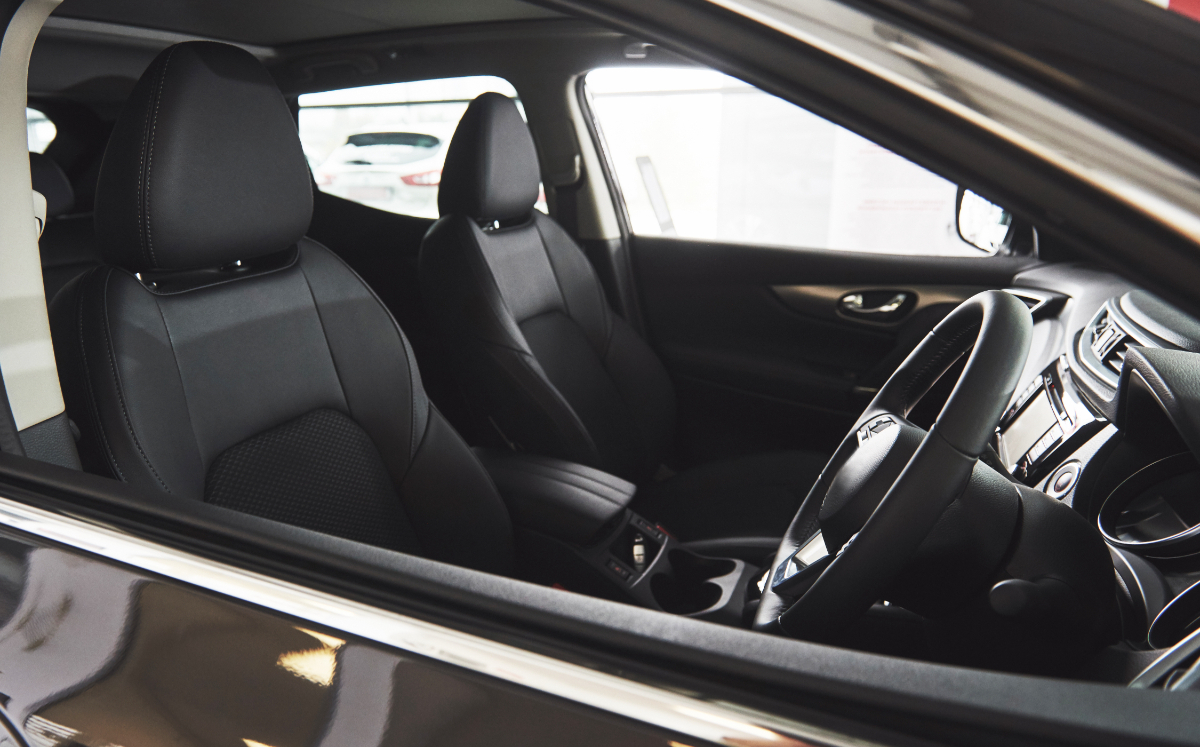
Comfort plays an important role in value. When seats feel firm, supportive, and smooth, the whole car feels better to sit in. A more comfortable drive can make a buyer feel positive about the car within minutes.
New upholstery can improve how the seats feel, not just how they look. Fresh coverings should fit properly, so there are fewer loose areas, folds, or rubbing points. If your old seats pinch, sag, or feel uneven, new upholstery can make sitting in the vehicle far more pleasant.
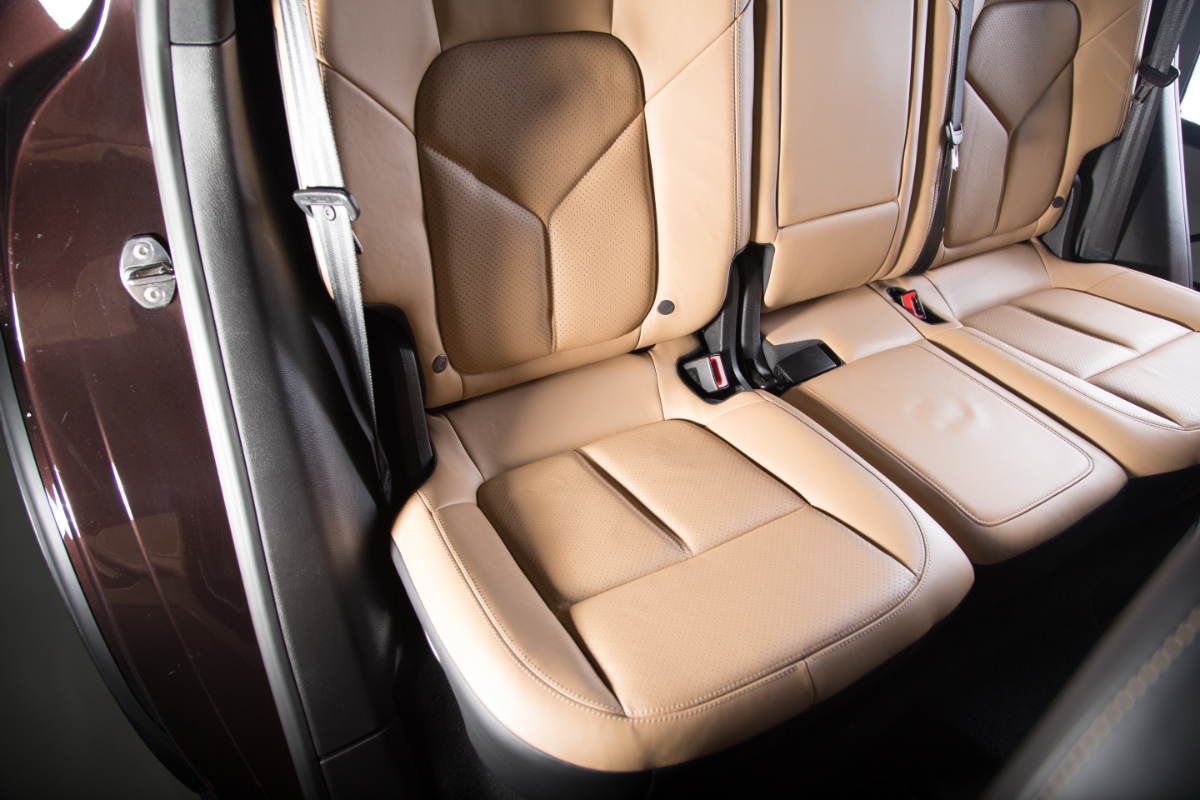
Passengers notice the level of comfort too, especially in the back seats. Families and people who often drive with friends may check the rear seating carefully. A neat, well-fitted interior can help them feel that the car will suit daily life, not just short journeys.
Comfort also links to cleanliness. New upholstery can make the cabin feel fresher and may remove old marks and smells that put people off. When potential buyers step into a car that feels clean and cared for, they may be more open to paying your asking price.
A Well Maintained Interior Can Improve First Impressions
First impressions matter when selling a car. The outside may bring buyers to the vehicle, but the interior is where they imagine themselves driving it. If the seats, carpets, door panels, and trim look clean and tidy, the car feels more well maintained overall.
A well maintained interior can also make your car look as though it has been cared for in the long term. Buyers may think that someone who has looked after the upholstery has also taken care of other parts of the vehicle. This can help build trust before they even start the engine.
New upholstery can enhance the interior look by restoring worn areas and making the cabin feel more complete. It can also improve the feel of the seats, which matters during a test drive. These small details can affect how buyers view the car’s value.
Modern Materials That Make Your Car Feel New
New upholstery is not only about replacing what is worn out. Modern materials can change the way a car looks and feels. Many newer fabrics are designed to cope better with daily use, including rubbing, heat, and spills.
Some materials are much easier to clean than older ones. This matters because buyers often think about future care. If a seat surface looks like it will wipe clean without much effort, it can be seen as a useful benefit, not just a nice extra.
Modern finishes can also improve the look of the car. Clean stitching, smooth surfaces, and a consistent colour can make the interior feel updated. It can give the impression of a newer model, even if the vehicle is a few years old.
Durability is also important. A high quality material can help the interior stay in good condition for longer. That can make your car more appealing because buyers may believe they will not need to spend money on the seats soon after buying it.
Matching Your Upholstery to Your Car’s Style
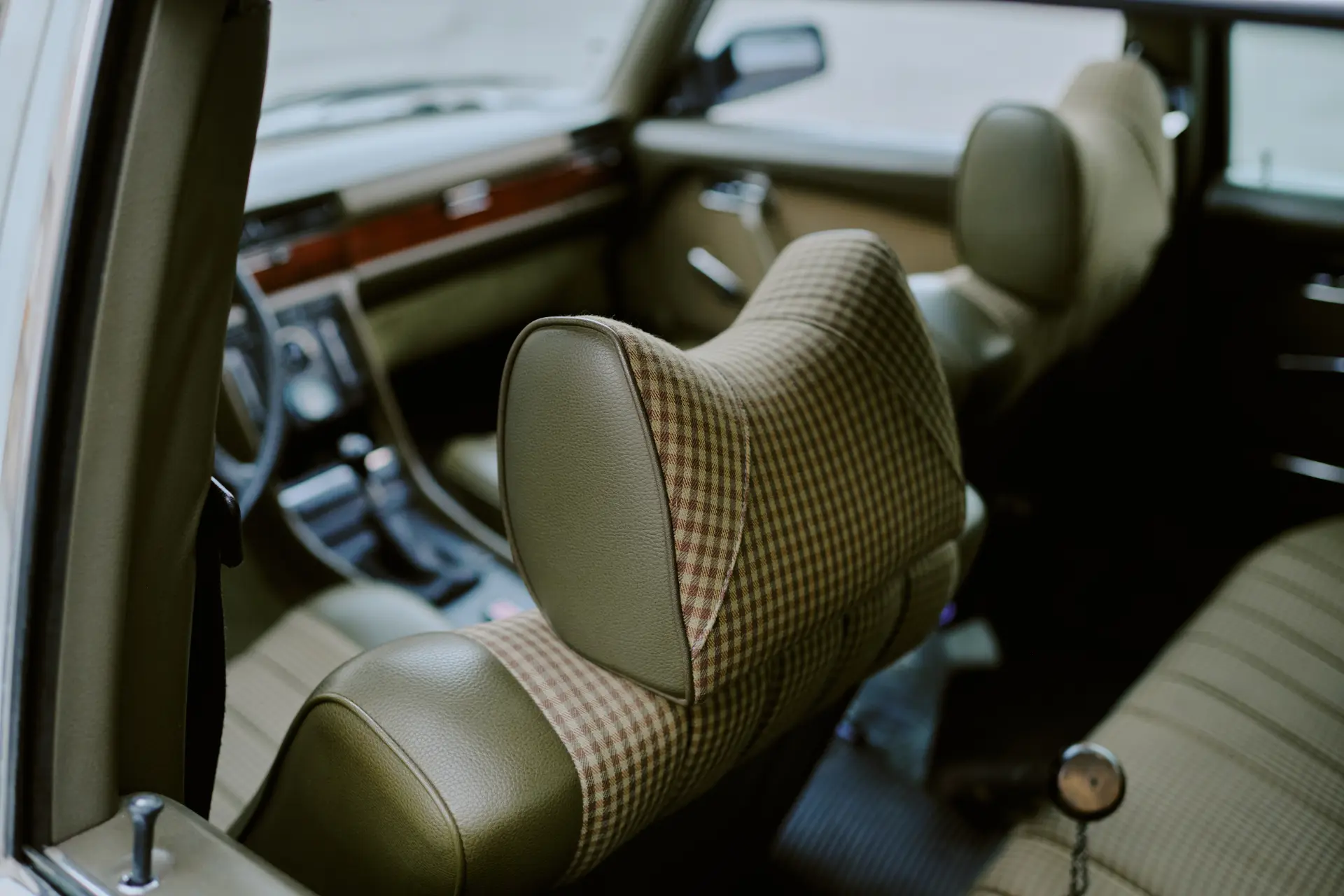
Upholstery affects the overall feel of the car, so it should suit the model and trim. A style that matches the car’s original look often appeals to the widest group of buyers. It feels familiar and can make the car’s interior seem more fitting and well kept.
Colour choice is also important when selling your car. Neutral shades usually make the vehicle easier to sell because they suit more tastes. Strong colours can look bold, but they can also reduce interest if buyers feel the style is too personal.
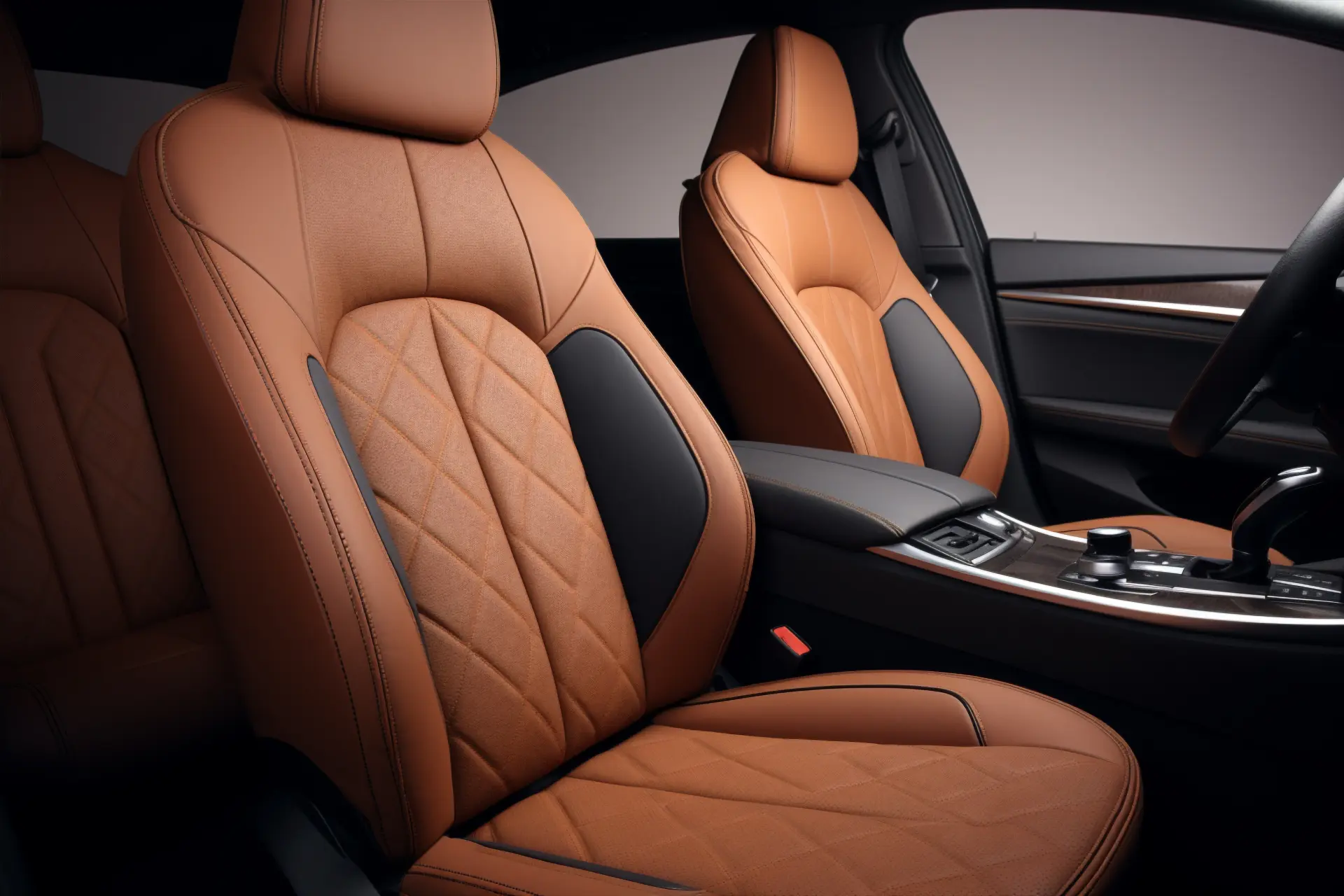
Texture and finish matter as well. A sporty car may suit a tighter, more structured finish, while a family car may feel better with a softer and more practical material. Choosing upholstery that matches what buyers expect can make the car feel more balanced.
It is also worth thinking about details such as stitching, seams, and panel shapes. If the new upholstery looks tidy and well fitted, it can lift the whole interior. If it looks out of place or poorly finished, it can have the opposite effect and make buyers question the work.
Seat Covers Versus Professional Upholstery
Seat covers can be a quick way to protect seats or hide light wear, but they are not the same as new upholstery. Good seat covers may help keep the original seats clean, which can protect resale value over time. They can also save money if you are not ready for a full repair or replacement.
However, seat covers can also make buyers wonder what is underneath. If the covers are being used to hide damage, buyers may ask to remove them during a viewing. Poor fitting covers can make the interior look untidy, which may affect the car’s value rather than improve it.
Professional upholstery services usually offer a cleaner and longer lasting result. The process can restore the seats properly and make the interior look more natural. This is often a better investment when the car is worth enough to justify the cost, or when you want the best possible finish before selling.
Do Not Forget Door Panels and Other Interior Areas
Seats are the main focus, but they are not the only part of the interior that matters. Door panels, armrests, headrests, and centre console areas can also show wear. If the seats look new but the door panels are dirty, scratched, or damaged, the interior may still feel unfinished.
A full interior refresh can make a stronger impression than replacing one part only. This does not always mean spending a lot of money. Sometimes a deep clean, small repairs, and careful detailing can work well alongside new upholstery.
Making the whole cabin look clean and consistent can help potential buyers feel more confident. It also makes the car easier to photograph, which can help your advert stand out when you decide to sell.
Can New Upholstery Increase Your Car’s Resale Value?
New upholstery can increase your car’s resale value in some cases, especially if the old seats were in poor condition. It can make the car look cleaner, feel more comfortable, and appear better cared for. This can help you attract more buyers and reduce the chance of heavy price negotiations.
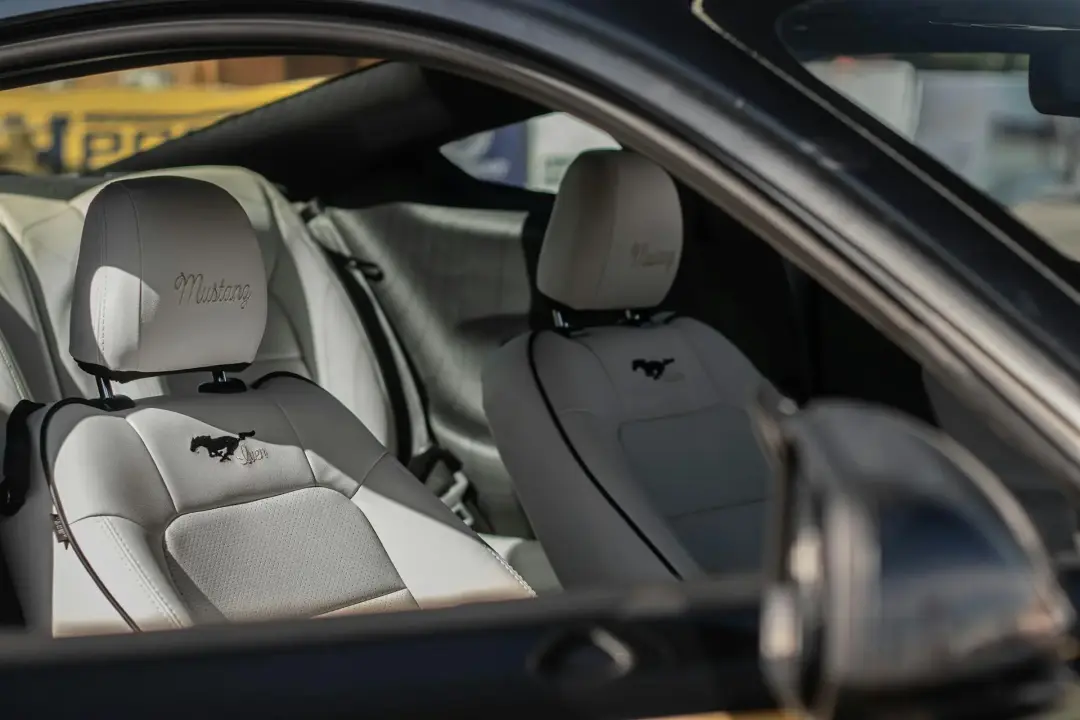
The key point is cost versus return. If you spend too much on a car with low market value, you may not get all that money back. However, if the car is desirable, well maintained, or already in good condition apart from the interior, new upholstery can be a sensible way to improve its appeal.
A car’s resale value is affected by many things, including mileage, service history, age, condition, and demand. Upholstery is only one part of the picture, but it can still make a difference because buyers spend time sitting inside the car before making a choice.
Choosing the Right Upholstery Services
Choosing the right upholstery services is important. Poor work can lower confidence, while careful work can enhance the car’s value and comfort. Look for a provider with clear expertise, good examples of past work, and experience with different materials.
High quality work should look neat, fit the seats properly, and suit the car’s style. The stitching should be even, the surfaces should be smooth, and the finish should feel secure. A rushed job can make the car look cheaper, even if the materials themselves are good.
It is also worth asking about the process before the work starts. A good service should explain your options, help you choose suitable materials, and give advice based on your car, budget, and plans. This can save time and help you avoid spending money in the wrong place.
Is It Better to Repair or Fully Replace?
Small damage does not always mean you need a full replacement. If there is a small tear, a split seam, or a single worn patch, a repair can be a sensible choice. It can improve the look without the higher cost of replacing everything.
Repairs work best when the rest of the interior is still in good condition. If only one seat is damaged, fixing that one area may be enough to raise buyer confidence. A neat repair can also help prevent the damage from getting worse over time.
Full replacement makes more sense when wear is widespread. If several seats are torn, heavily stained, or badly faded, patch repairs can start to look uneven. In that case, replacing the upholstery can give a more consistent and professional finish.
The best choice depends on the car’s value and your goal. If you want the quickest improvement before selling, a targeted repair may be enough. If you plan to keep the car longer, or the interior is in poor condition, full replacement can bring better comfort, better appearance, and a stronger impression.
Protecting New Upholstery After the Work Is Done
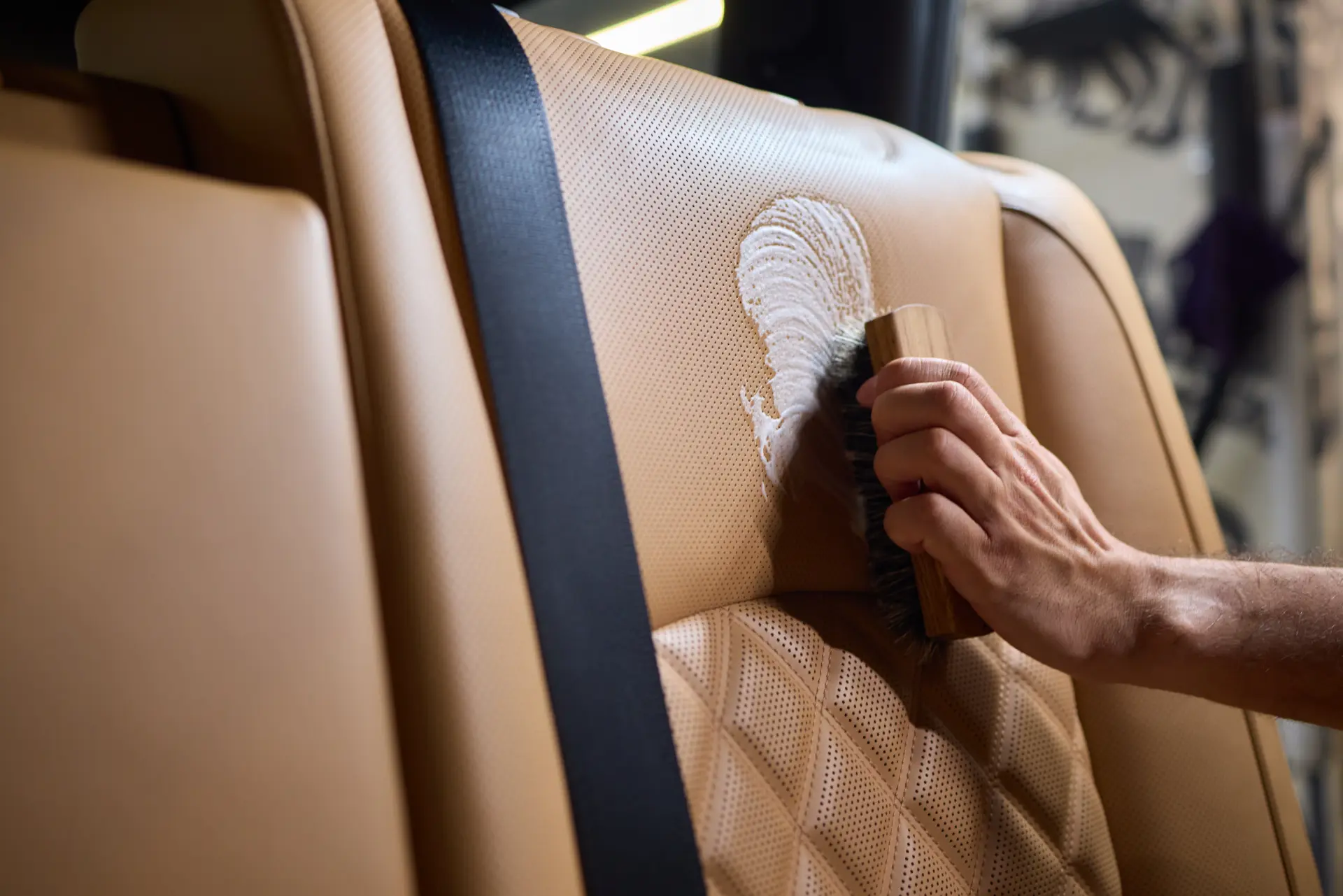
Once you have new upholstery, it is important to protect it. Regular cleaning can help keep the seats looking fresh and reduce long term wear. This is especially useful if you use the car daily, carry children, transport pets, or spend a lot of time driving.
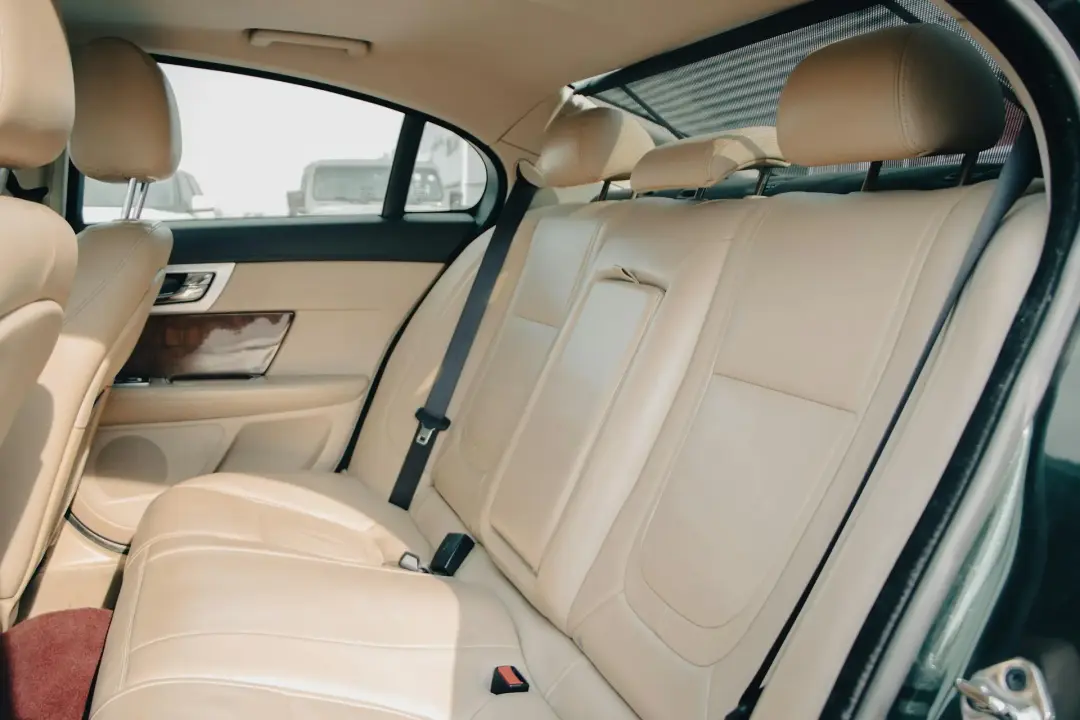
You can also protect the interior by avoiding sharp objects, wiping spills quickly, and using suitable cleaning products for the material. Leather, fabric, and synthetic finishes may need different care, so it is worth choosing the right method.
Keeping the interior clean after the work is done helps preserve the car’s value. It also makes the car feel better every time you drive it. A fresh interior is not only useful when selling, as it can also improve your own comfort and pride in the vehicle.
Increasing Your Car’s Value with New Upholstery
New upholstery can increase your car’s value, but it works best when the rest of the vehicle is also in good condition. It can improve comfort, restore the interior look, protect resale value, and make your car more appealing to potential buyers.
The right choice depends on the car, the level of wear, and how much money you want to spend. In some cases, a small repair may be enough. In others, full replacement can be a good investment, especially when it helps the car feel clean, comfortable, and well maintained.
For anyone planning to sell, the main aim is to make your car look cared for and easy to trust. A tidy, fresh, high quality interior can help buyers feel more confident, which may support a stronger price and a smoother sale.
At Vehicle Upholstery Specialists Worthing, we provide customised camper van upholstery services across Worthing and Sussex. Whether it’s a quick seat repair or a full interior makeover, we’re here to help make your van feel like home. We can keep your space comfy and road-ready, no matter where you’re going.